
Ever wondered why auto insurance costs in Massachusetts seem to fluctuate like the New England weather? Whether you’re a long-time resident or new to the Bay State, understanding the intricate web of factors affecting your auto insurance premiums can feel like solving a complex puzzle. But fear not, as we unravel the mystery behind insurance pricing, you’ll discover a clear path to savings and smarter choices.
In this exploration, we’ll delve into the nitty-gritty of what makes your insurance rate tick, from personal factors to regional quirks. We promise to turn what seems like an overwhelming topic into a fascinating journey. Together, let’s navigate the roads of insurance costs, unlocking secrets, and finding solutions along the way.
Average Cost Factors
Unraveling the mystery of auto insurance costs in Massachusetts is like piecing together a complex jigsaw puzzle. Several factors combine to influence the final premium you pay.
Understanding these variables can empower you to make informed choices and possibly save money. Let’s dive deep into the elements that shape your insurance rates.
Personal Profile Impact on Insurance Costs
Your individual profile plays a significant role in determining your auto insurance rates. Age, gender, and driving history are key components that insurers scrutinize. For example, younger drivers are often considered high-risk, resulting in higher premiums. Similarly, a history of traffic violations can elevate your costs.
Marital status and credit score might also factor into the equation. Married individuals often enjoy lower rates due to perceived stability, while a strong credit score can act as a financial character reference, leading to potential discounts.
Regional Variations Across Massachusetts
Geography within Massachusetts introduces another layer of complexity in auto insurance pricing. Urban areas like Boston may see higher rates due to increased traffic congestion and accident rates. Conversely, rural regions may benefit from lower premiums.
Moreover, local crime rates and weather patterns can influence costs. Areas prone to theft or harsh winters may experience increased premiums as insurers account for heightened risk.
- Urban vs. Rural: Expect higher rates in cities.
- Weather Impact: Snowy areas may incur higher premiums.
- Crime Rate: High-crime regions could lead to costlier insurance.
“Understanding these factors can equip you to navigate the insurance landscape more effectively and achieve savings.”
Comparative Analysis
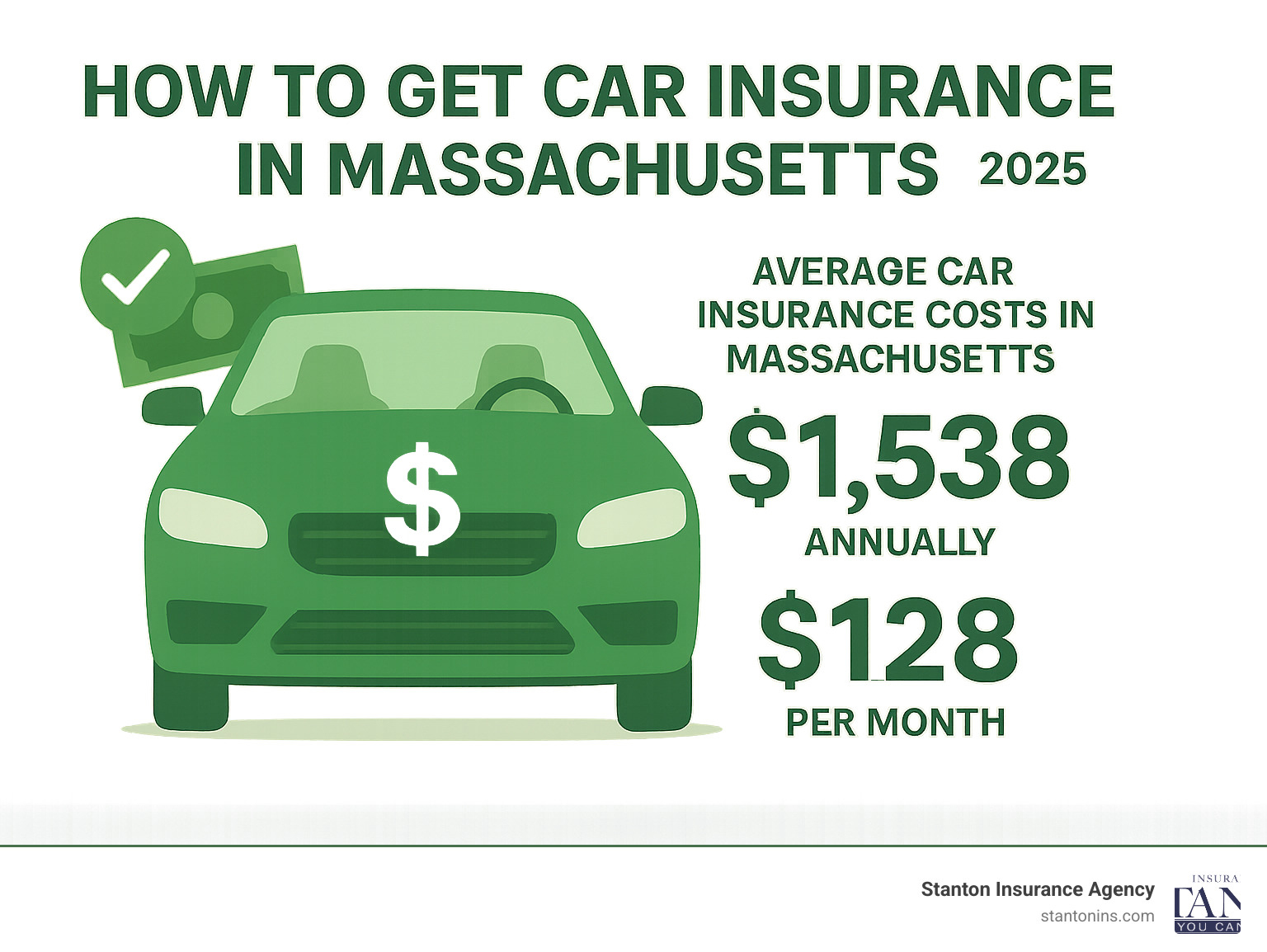
Understanding how Massachusetts fares in terms of auto insurance costs compared to its neighbors can provide valuable insights for residents and policymakers alike. Let’s delve into the details to see where Massachusetts stands.
When evaluating auto insurance rates, it’s essential to consider a variety of factors, including geographical location. The costs of auto insurance in Massachusetts are influenced by numerous factors, and comparing these with neighboring states can highlight opportunities for savings and growth.
Regional Insurance Cost Comparison
To gain a clearer picture of how Massachusetts compares with its neighbors, let’s look at a table that showcases the average annual auto insurance costs across different states in the region:
| State | Average Annual Cost (USD) |
|---|---|
| Massachusetts | 1,500 |
| New York | 1,750 |
| Connecticut | 1,600 |
| Rhode Island | 1,900 |
As evident from the table, Massachusetts sits comfortably in the mid-range compared to its neighboring states. While Rhode Island tops the list with the highest rates, New York and Connecticut also experience higher costs than Massachusetts.
Historical Trends in Massachusetts Insurance Rates
Understanding how auto insurance rates have evolved in Massachusetts over recent years can offer insights into future trends. Historically, the state has seen a steady increase in insurance premiums, driven by factors such as inflation, rising repair costs, and an increase in accident frequency.
In the past five years, Massachusetts has experienced an average annual increase of 4% in auto insurance premiums.
This upward trend emphasizes the importance of strategic planning and shopping around for the best rates.
Most and Least Expensive Areas for Car Insurance
Massachusetts is diverse, and so are its auto insurance rates across different areas. Some regions are notably more expensive, while others offer more affordable options.
Urban areas such as Boston and Cambridge tend to have higher insurance costs due to factors like higher traffic density and increased risk of accidents. Conversely, smaller towns and rural areas often benefit from lower premiums. For instance, residents in areas like Amherst and North Adams enjoy more affordable insurance rates.
By understanding these geographical discrepancies, residents can make informed decisions regarding their auto insurance and potentially save on their premiums.
Policy Types and Coverage
Embarking on the journey of understanding auto insurance in Massachusetts requires navigating a dynamic landscape of policy types and coverage options. Each choice determines the safety net that protects you and your vehicle.
Diving into the specifics, Massachusetts’ auto insurance policy landscape is vast, offering drivers a range of options that cater to different needs and risks. Understanding these options is crucial for making informed decisions that align with your financial situation and peace of mind.
Variety in Auto Insurance Policies
In Massachusetts, drivers are offered a plethora of auto insurance policies, each crafted to cover different aspects of vehicular ownership and road safety. The most common types include liability coverage, collision coverage, comprehensive coverage, personal injury protection (PIP), and uninsured/underinsured motorist coverage. These policies serve to cushion drivers against various risks, from accidents to natural disasters.
Minimum Requirements for Auto Insurance in Massachusetts
Massachusetts law mandates a minimum level of auto insurance that every driver must maintain. This includes:
- Bodily Injury to Others: $20,000 per person / $40,000 per accident
- Personal Injury Protection (PIP): $8,000 per person, per accident
- Bodily Injury Caused by an Uninsured Auto: $20,000 per person / $40,000 per accident
- Damage to Someone Else’s Property: $5,000 per accident
It’s essential to at least meet these minimum coverage amounts to legally drive in the state.
Comparative Analysis of Coverage Options
To help you visualize the differences between these coverage options, the following table provides a comparative analysis:
| Coverage Type | What It Covers | Recommended For |
|---|---|---|
| Liability Coverage | Injuries and damages to others if you are at fault | All drivers |
| Collision Coverage | Damages to your vehicle from a collision | New or financed cars |
| Comprehensive Coverage | Theft, vandalism, or damage from weather | Areas prone to non-collision incidents |
| Personal Injury Protection (PIP) | Medical expenses for you and your passengers | All drivers, mandatory in MA |
| Uninsured/Underinsured Motorist Coverage | Injuries from an accident with an uninsured driver | Accident-prone areas |
Discounts and Savings
Paying for auto insurance in Massachusetts doesn’t have to break the bank. Smart drivers know that by tapping into available discounts, they can significantly cut down their insurance costs.
Insurance companies often offer a variety of discounts aimed at rewarding safe driving habits, loyalty, and more. By understanding these options, you can maneuver through the insurance landscape with a pocket-friendly strategy.
Maximize Your Savings Through Available Discounts
There’s a world of savings out there, and it’s all about leveraging the right discounts tailored for Massachusetts drivers. Here’s a holistic list of potential discounts you might be eligible for:
- Good Driver Discount: Rewarding those with a clean driving record.
- Multi-Policy Discount: Combining auto with home or other insurance types.
- Safe Vehicle Discount: Driving a car with advanced safety features.
- Low Mileage Discount: For drivers who don’t spend much time on the road.
- Student Discount: For young drivers with good grades.
- Loyalty Discount: Appreciating long-term policyholders.
- Anti-theft Discount: Installation of anti-theft devices.
- New Car Discount: Driving a new or very recent model.
- Pay-in-Full Discount: Paying your annual premium in one lump sum.
Insurance companies across Massachusetts like Liberty Mutual and Progressive offer enticing discount programs. Liberty Mutual, for example, provides up to 30% off for drivers who enroll in their RightTrack program, tracking driving habits to reward safe practices. Progressive’s Snapshot program also offers immediate savings opportunities by simply installing their monitoring device.
“A penny saved is a penny earned. Explore your discount options and start saving today!”
Legislative and Regulatory Influences
When it comes to auto insurance in Massachusetts, state regulations play a pivotal role in determining the costs drivers face. The commonwealth’s unique approach to insurance oversight can significantly impact your wallet.
Regulations and laws are not static; they evolve, reflecting new societal needs and economic conditions. Massachusetts is no exception, with its dynamic legislative landscape influencing the ebb and flow of insurance premiums.
Impact of State Regulations on Auto Insurance Pricing
Massachusetts has implemented a regulated competitive market approach, where the state carefully balances competition and consumer protection. This influences how insurance companies set their rates, ensuring they remain fair yet competitive. Unlike states that have a purely open market, Massachusetts requires insurers to file their rates with the Division of Insurance, which reviews them to ensure they’re neither excessive nor inadequate.
Additionally, the state mandates certain coverage types, such as personal injury protection (PIP), which inherently affects the cost structure compared to states with more lenient requirements.
Recent Legislative Changes Affecting Insurance Costs
Recently, Massachusetts has seen legislative shifts aimed at increasing transparency and consumer rights. These changes include updates to credit-based insurance scoring and enhanced oversight on how insurers use telematics data to determine rates. The state has taken steps to ensure that innovations in data usage do not unfairly penalize drivers.
Moreover, laws have been passed to address the growing concern over uninsured drivers, introducing stricter penalties and thereby encouraging more individuals to maintain valid insurance.
Differentiation from Other State Laws
Massachusetts’ regulatory framework is distinct from other states in several ways. For example, while some states allow insurers to use gender as a factor in rate setting, Massachusetts prohibits this practice, aiming for greater equity. This is a stark contrast to places like Texas or Florida, where gender can influence premium calculations.
Furthermore, the state’s “no-fault” insurance system, which mandates PIP coverage, contrasts with the “tort” system in states like California, where the emphasis is on determining fault in accidents to resolve claims.
Massachusetts stands out for its commitment to balancing consumer protections with market competitiveness.
Consumer Resources
Embarking on the journey to find the perfect auto insurance can feel like navigating a maze of complex terms and options. Fear not; with the right tools and knowledge, you can confidently secure the best deal tailored to your needs.
Understanding your policy, knowing your rights, and mastering the claims process are crucial steps that can make all the difference. Let’s delve into these key areas with actionable insights and resources.
Guide to Shopping for the Best Auto Insurance Deals
Shopping smart is the key to unlocking the best deals in auto insurance. Equip yourself with the right approach, and you could save hundreds of dollars annually. Follow this roadmap to savvy savings:
- Compare Quotes: Utilize online comparison tools to get quotes from multiple insurers, ensuring you’re not missing out on better rates elsewhere.
- Assess Your Coverage Needs: Don’t overpay for unnecessary coverage. Evaluate what’s essential based on your driving habits and lifestyle.
- Consider Bundling: Many insurers offer discounts if you bundle your auto insurance with other policies like home or life insurance.
- Check Insurer Ratings: Research the financial stability and customer service reputation of potential insurers through resources like J.D. Power and A.M. Best.
- Look for Discounts: Investigate available discounts for safe driving, being a good student, or installing anti-theft devices in your vehicle.
Resources for Understanding Auto Insurance Terms and Conditions
Decoding the language of auto insurance is crucial for making informed decisions. Arm yourself with the following resources:
- Glossaries: Explore comprehensive glossaries available on insurance company websites or government sites to familiarize yourself with complex terminology.
- Insurance Advisors: Consider consulting with an independent insurance advisor who can provide personalized explanations tailored to your circumstances.
- Online Courses: Several platforms offer free or low-cost courses designed to deepen your understanding of insurance fundamentals.
- Consumer Reports: Access reports and articles from consumer advocacy organizations to gain insights into industry practices and common pitfalls.
Tips for Navigating the Claims Process Efficiently
Filing a claim can be a daunting experience, but with preparation and knowledge, you can sail through the process smoothly. Here’s how:
- Documentation is Key: Keep detailed records of the incident, including photos, witness statements, and any police reports, to provide comprehensive information to your insurer.
- Immediate Notification: Notify your insurance provider as soon as an incident occurs to ensure prompt processing of your claim.
- Understand Your Policy: Clearly know what your policy covers and any deductibles you’re responsible for, so there are no surprises during the claims process.
- Stay Organized: Maintain a file of all communications with your insurer, including emails and notes from phone conversations.
- Follow Up: Be proactive in following up with your adjuster and ask for regular updates to stay informed about the status of your claim.
“The secret of getting ahead is getting started.” – Mark Twain
Summary
As we reach the end of our enlightening journey through the avenues of auto insurance costs in Massachusetts, one thing is crystal clear: knowledge is your ultimate tool. Equipped with insights into cost factors, historical trends, and the full spectrum of policy options, you are now ready to make informed decisions that can lead to substantial savings. The road to the best insurance deal is no longer a daunting task but an exciting opportunity to optimize your coverage. So go ahead, steer your financial future with confidence and drive into a world of assurance and savings!

