
Imagine running your dream business with the peace of mind that every potential risk is covered. The right insurance can be your safety net, ensuring that your small business thrives no matter the challenges it faces. Dive with us into the world of small business insurance and discover how these protective measures can be the shield your business deserves.
From safeguarding your assets to protecting your team, the types of insurance available to small businesses are as varied as the companies themselves. Whether you’re a budding entrepreneur or a seasoned business owner, understanding these options is crucial. Let us guide you through this landscape and help you find the perfect fit for your needs.
Types of Small Business Insurance
Running a small business comes with its own set of challenges and uncertainties. Ensuring that your venture is protected from potential risks is crucial. Here, we delve into the various types of insurance that can safeguard your business’s future.
From protecting your assets to covering potential liabilities, each insurance type plays a vital role in mitigating the risks associated with running a small business. Understanding these options allows business owners to make informed decisions and find the right coverage for their unique needs.
General Liability Insurance
Every business, regardless of size, should consider General Liability Insurance. It provides essential coverage against claims of bodily injury, property damage, and more. Imagine a customer slipping and falling in your store; this insurance can protect your business from potential lawsuits. Retail stores and restaurants are prime candidates for this type of coverage due to their high foot traffic.
Professional Liability Insurance
Also known as Errors and Omissions Insurance, this is indispensable for service-based industries. It protects against claims of negligence or inadequate work. For example, a consultant or an accountant might be accused of failing to deliver the promised results. Professional Liability Insurance ensures that such claims do not financially burden the business.
Property Insurance
Property Insurance is vital for businesses that own or lease physical spaces. It covers damages to buildings, equipment, and inventory due to events like fire or theft. Consider a small manufacturer whose machinery is damaged during a storm—property insurance would help cover the repair or replacement costs. This type of insurance is crucial for businesses with valuable physical assets.
Workers’ Compensation Insurance
When you have employees, you must think about Workers’ Compensation Insurance. It provides wage replacement and medical benefits to employees injured while on the job. This not only protects your employees but also prevents potential lawsuits against your business. Industries such as construction and manufacturing, where physical labor is prevalent, find this insurance especially beneficial.
Business Interruption Insurance
Sometimes, unforeseen events can halt your business operations. Business Interruption Insurance compensates for lost income during these periods. Imagine a natural disaster rendering your business premises unusable; this policy helps cover the loss of income and operating expenses during the downtime. Businesses in disaster-prone areas should strongly consider this type of coverage.
General Liability Insurance
In the bustling world of business, unpredictable events can occur at any moment, catching even the savviest entrepreneurs off guard. Enter General Liability Insurance: the shield to protect your business from the unexpected.
General liability insurance provides coverage that is crucial for safeguarding your business against a myriad of potential legal claims. Whether you’re dealing with a minor slip-and-fall incident or a high-stakes lawsuit, this insurance ensures you’re not financially crippled.
Comprehensive Coverage for Common Risks
General liability insurance is designed to address a broad spectrum of risks that could pose a threat to your business. These include bodily injury, where someone gets hurt on your premises, and property damage, where you may accidentally damage someone else’s property. Furthermore, it covers personal and advertising injury, such as defamation, copyright infringement, and false advertising claims. By securing general liability insurance, businesses can confidently navigate these common pitfalls, knowing they’re protected.
Industries That Rely on General Liability Coverage
While nearly every business can benefit from general liability insurance, certain industries find it indispensable. These include the construction industry, where the risks of bodily injury and property damage are elevated, and retail businesses, which face frequent customer interactions and potential slip-and-fall incidents. Additionally, technology firms, although seemingly less physically hazardous, require coverage for potential advertising and personal injuries. Any business engaged in public interaction or service delivery should consider general liability insurance a cornerstone of their risk management strategy.
Property Insurance
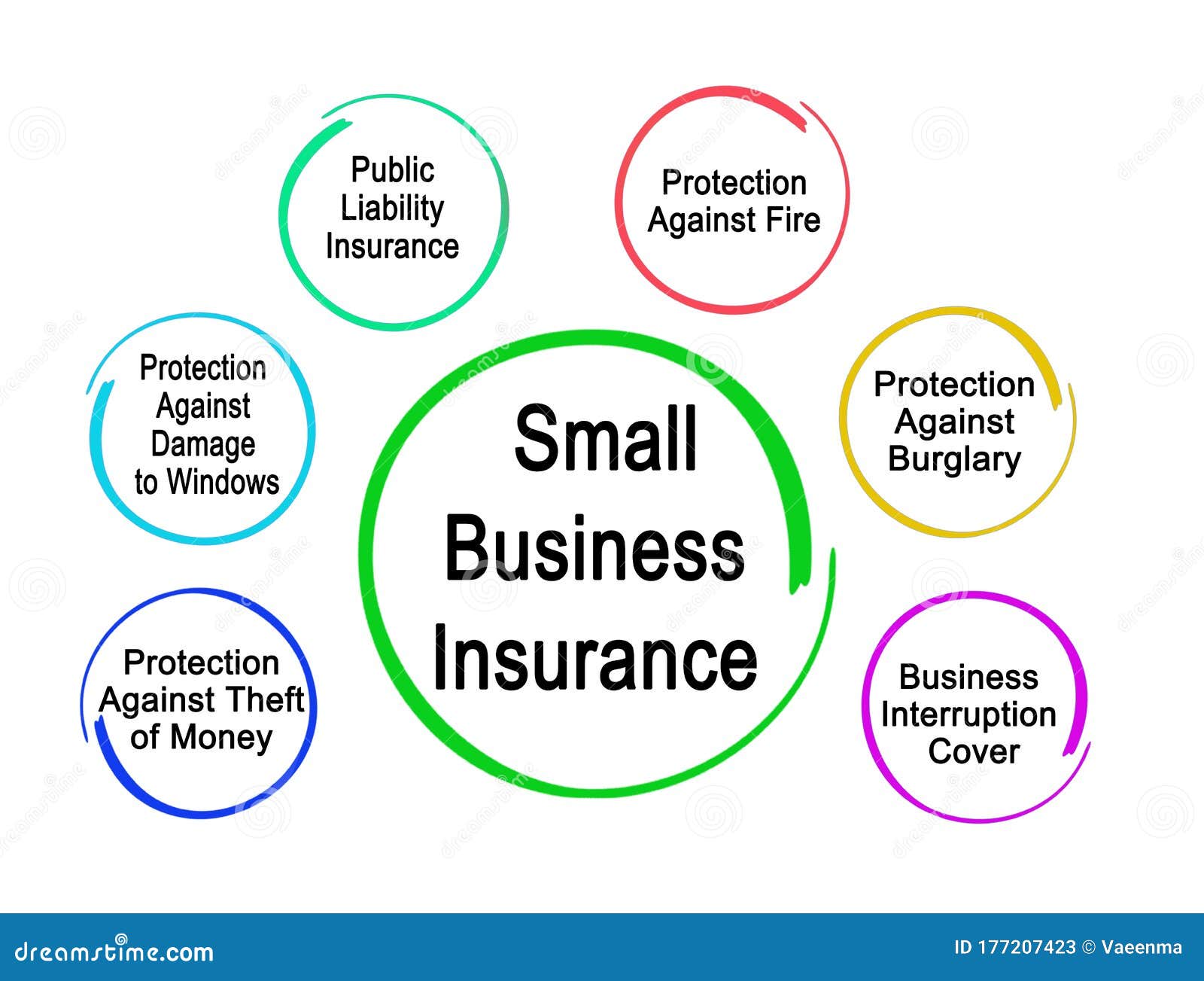
Imagine a scenario where a flood or fire sweeps through your business premises. The damage can be devastating, leaving you with hefty repair bills and potential downtime. This is where property insurance swoops in to be the hero that every small business needs.
Property insurance is designed to protect your business’s physical assets from unexpected disasters and accidents. It acts as a safety net, ensuring that your business can bounce back after the unexpected strikes. Whether it’s a natural disaster, theft, or vandalism, property insurance is essential in safeguarding your investment.
Scenarios Highlighting the Importance of Property Insurance
Property insurance becomes crucial in situations where your business location and equipment face risks from environmental and human-induced events. For instance, if you own a retail store, the loss of inventory due to a fire could spell disaster without adequate coverage. Similarly, if you operate a small manufacturing unit, your machinery is at risk from both natural calamities and potential theft.
- Natural Disasters: Covers damages from storms, earthquakes, or floods, ensuring your business location is restored without draining your finances.
- Vandalism and Theft: Protects against losses due to theft or intentional damage, which can be critical in urban areas.
- Accidental Damage: Offers a safety net for unexpected accidents that may damage your property or equipment.
Property Insurance vs. Other Asset Protection Types
When considering protection for your business assets, you might wonder how property insurance stacks up against other options. Here’s a side-by-side look:
| Insurance Type | Coverage Focus | Example Scenarios |
|---|---|---|
| Property Insurance | Physical assets (buildings, equipment) | Fire damage, theft, or natural disasters |
| General Liability Insurance | Legal liabilities (injuries, lawsuits) | Slip-and-fall accidents |
| Business Interruption Insurance | Income loss during disruptions | Forced closure due to fire |
Mitigating Financial Losses with Property Insurance
When unexpected events occur, the financial burden can be overwhelming. With property insurance, businesses can significantly reduce these financial strains. For example, after a storm damages your facility, property insurance covers repair costs and helps maintain cash flow. This ensures that your financial resources are not entirely depleted, enabling you to focus on getting your business back on track quickly.
“Property insurance is not just a safety measure; it’s a lifeline for business continuity.”
Workers’ Compensation Insurance
Every small business is like a tight-knit community, where every worker plays a crucial role in its success. But what happens when someone gets injured on the job? That’s where Workers’ Compensation Insurance steps in as a hero in disguise.
This indispensable coverage is designed to protect both employees and employers, ensuring that medical expenses and lost wages are covered in the unfortunate event of a workplace injury. Workers’ compensation is not just a safety net; it’s a legal requirement in many areas, underscoring its importance in the business landscape.
The Legal Landscape of Workers’ Compensation
Navigating the legal intricacies of workers’ compensation can be daunting, as requirements vary significantly from one region to another. In the United States, for example, nearly every state mandates employers to carry workers’ compensation insurance, with exceptions for certain small businesses and independent contractors. In contrast, countries like the UK have their own set of regulations that employers must adhere to, ensuring workers are adequately protected.
Failing to comply with these regulations can result in hefty fines and legal repercussions, making it essential for business owners to understand and fulfill their obligations. Ensuring compliance not only safeguards employees but also protects the business from potential legal battles and financial burdens.
Real-Life Scenarios: Why Workers’ Compensation is Essential
Imagine a bustling café where the head barista accidentally slips on a wet floor, resulting in a fractured wrist. Without workers’ compensation, the business owner might face personal liability for the employee’s medical bills and lost wages during recovery. Similarly, in a construction firm, a worker might sustain an injury from a fall, leading to significant recovery time and medical treatment. In such cases, workers’ compensation becomes a lifeline, providing financial support to the injured employee while protecting the business from direct financial impact.
These examples underline the critical role of workers’ compensation insurance in maintaining a fair and secure work environment. By prioritizing this coverage, businesses demonstrate their commitment to employee welfare and ensure their operations remain resilient in the face of unexpected challenges.
Professional Liability Insurance
In the intricate web of modern business, safeguarding your expertise with Professional Liability Insurance is not just a wise choice, but often a necessity. This form of insurance acts as a crucial shield for those providing professional services, ensuring peace of mind amidst potential pitfalls.
Professional Liability Insurance, often referred to as Errors and Omissions Insurance (E&O), is designed to protect businesses and their professionals from claims of negligence, misrepresentation, or inadequate work. While General Liability Insurance covers physical damage or injuries, Professional Liability Insurance steps in where expertise and service delivery intersect.
Professions Requiring Professional Liability Insurance
Many professions rely heavily on their expert advice and precision in service delivery, making Professional Liability Insurance essential for their risk management strategy. Here are some of the key professions that typically require this coverage:
- Doctors and Healthcare Providers
- Architects and Engineers
- Lawyers and Legal Professionals
- Consultants and Business Advisors
- Accountants and Financial Planners
- Real Estate Agents and Brokers
- IT Professionals and Software Developers
Protections Against Errors or Omissions
Professional Liability Insurance provides a strong safety net for businesses against claims that may arise from errors or omissions in the services they provide. This includes:
- Defending against allegations of negligence or failure to perform services as agreed
- Covering legal costs, settlements, and awards in lawsuits
- Protecting reputation and financial well-being from devastating claims
“Professional Liability Insurance addresses the intangible risks that can arise when offering your expertise to clients.”
Differences from General Liability Insurance
While both General Liability and Professional Liability Insurance are crucial, they serve distinct purposes. To clarify these differences, consider the table below:
| Aspect | General Liability Insurance | Professional Liability Insurance |
|---|---|---|
| Coverage Focus | Physical injuries and property damage | Errors, omissions, and professional negligence |
| Typical Claims | Slip and fall accidents | Misrepresentation or non-performance |
| Industries | Broad range of industries | Professionals offering specialized services |
Business Interruption Insurance
Your business is your lifeline, a bustling center of dreams and ambitions. But what happens when the unexpected strikes, halting your daily operations? This is where Business Interruption Insurance steps in, acting as a safety net to keep your business afloat during turbulent times.
Business Interruption Insurance is designed to cover the loss of income that a business suffers after a disaster. While property insurance covers the physical damage to the business, Business Interruption Insurance covers the profits that would have been earned.
The Silver Lining in Natural Disasters
Consider the aftermath of a natural disaster: your premises are damaged, and operations come to a grinding halt. This insurance not only covers lost revenue but also assists with ongoing expenses like rent, utilities, and wages. It ensures that a natural disaster does not spell financial disaster for your business.
“A storm might disrupt your business operations, but it doesn’t have to disrupt your financial stability.”
Insurance Coverage, Duration, and Premium Costs
When navigating the specifics of Business Interruption Insurance, understanding the nuances of coverage, duration, and costs is crucial. Below is a breakdown:
| Insurance Coverage | Duration | Premium Costs |
|---|---|---|
| Lost Revenue | Up to 12 months | Starts from $500 annually |
| Ongoing Expenses | Policy term defines | Variable based on risk factors |
| Temporary Relocation | Until operations resume | Additional premium applies |
In securing Business Interruption Insurance, you are not just investing in a policy; you are investing in the resilience of your enterprise, ensuring that come rain or shine, your business will thrive.
Final Summary
In the dynamic world of business, uncertainty is the only constant. Securing the right insurance for your small business is not just a necessity; it’s a strategic move that can propel your enterprise forward. As you consider your options, remember that insurance is more than just a policy—it’s a promise to your future. Invest in the right coverage today and watch your business grow with confidence and resilience.

